

Yo, what's up everyone! I'm an EMT elbow supplier, and today I wanna chat about whether EMT elbows can be used in marine electrical systems. It's a question I get asked a lot, so let's dig into it.
First off, let's talk about what EMT elbows are. EMT stands for Electrical Metallic Tubing. It's a thin - walled steel conduit that's commonly used in electrical installations. EMT elbows are the curved parts of this tubing that allow you to change the direction of the conduit run. They're pretty handy in all sorts of electrical setups, but the marine environment is a whole different ballgame.
The marine environment is harsh. There's saltwater, high humidity, and constant exposure to the elements. These conditions can cause corrosion, which is a major concern for electrical systems. Corrosion can damage the electrical components, lead to short - circuits, and even pose a safety risk.
Now, EMT elbows are usually made of steel, and steel is prone to rusting when it comes into contact with saltwater. So, at first glance, it might seem like they're not a good fit for marine electrical systems. But here's the thing: there are ways to make them work.
One option is to use a protective coating on the EMT elbows. There are various types of coatings available that can resist corrosion. For example, some epoxy coatings can provide a good barrier between the steel and the saltwater. However, the coating has to be applied properly and maintained regularly. If there's any damage to the coating, the steel underneath can start to corrode.
Another factor to consider is the installation. In a marine electrical system, proper installation is crucial. The EMT elbows need to be installed in a way that minimizes their exposure to water. For instance, they should be installed in areas that are protected from direct splashes. Also, the conduit system as a whole should be properly sealed to prevent water from getting inside.
Let's also talk about the regulatory side of things. Marine electrical systems are subject to strict regulations. These regulations are in place to ensure the safety of the vessel and its occupants. Before using EMT elbows in a marine electrical system, you need to make sure that they comply with the relevant regulations. Some regulations might require the use of specific types of conduits or fittings, and EMT elbows might not always meet those requirements.

But hey, don't count out EMT elbows just yet. They do have some advantages. They're relatively inexpensive compared to some other types of conduit fittings. They're also easy to work with. You can bend them on - site if needed, which can be really useful during the installation process.
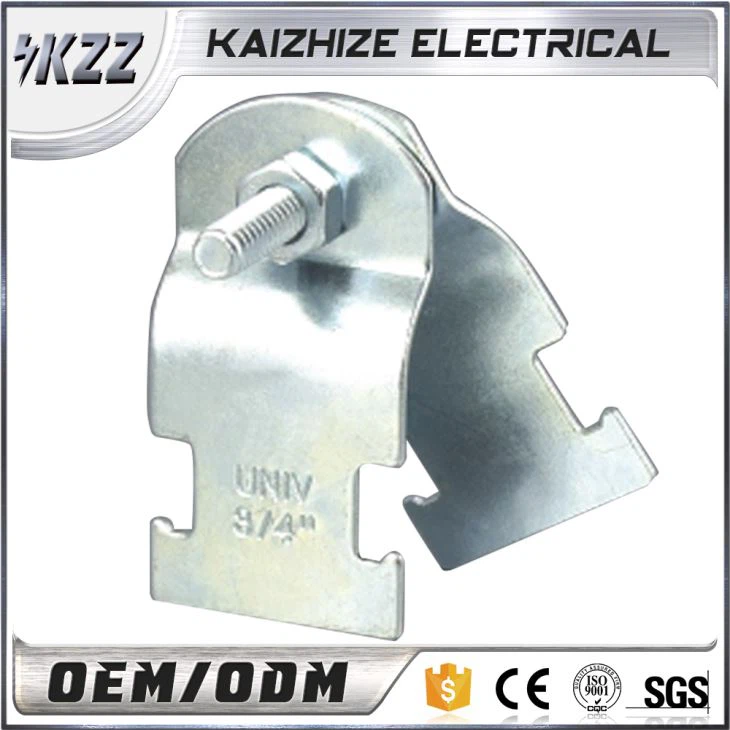
If you're still considering using EMT elbows in a marine electrical system, you might also want to look at some related products. For example, the EMT Strut Clamp can be used to secure the EMT elbows in place. And the EMT Set Screw Coupling Aluminum can be used to connect different sections of the conduit. Also, the EMT 45°Elbow is a specific type of EMT elbow that can be handy for making angled turns in the conduit run.
In conclusion, EMT elbows can potentially be used in marine electrical systems, but it's not a straightforward decision. You need to weigh the pros and cons. The corrosion issue is a big one, but with the right protective measures and proper installation, they can be a viable option.
If you're in the market for EMT elbows or any of the related products I mentioned, I'd love to have a chat with you. Whether you're building a new vessel or upgrading an existing one, I can provide you with the information you need to make an informed decision. Don't hesitate to reach out and start a conversation about your project requirements.
References
- Electrical Installation Standards for Marine Vessels, International Maritime Organization
- Handbook of Corrosion Prevention in Marine Environments, Marine Engineering Press