

Can IMC PIPE PG be used in high - rise buildings?
Hey there! I'm a supplier of IMC PIPE PG, and I get this question a lot: Can IMC PIPE PG be used in high - rise buildings? Well, let's dive right in and find out.
First off, what the heck is IMC PIPE PG? IMC stands for Intermediate Metal Conduit. It's a type of steel conduit that's been around for a while, and it's got some pretty cool features. The "PG" part usually refers to a specific specification or grade that might have certain characteristics like better corrosion resistance or specific wall thickness.
When it comes to high - rise buildings, there are a bunch of factors we need to consider. One of the most important ones is fire safety. High - rise buildings are required to have a high level of fire protection because, well, if there's a fire, it can spread like wildfire and be a real nightmare to deal with.
IMC PIPE PG is made of steel, which is a non - combustible material. This is a huge plus in high - rise construction. In case of a fire, the steel conduit won't catch fire and contribute to the spread of flames. It can also help protect the electrical wiring inside from the heat, which means the electrical systems might keep working longer, giving people more time to evacuate safely.
Another factor is mechanical strength. High - rise buildings are subject to all sorts of forces, like wind, seismic activity, and the weight of the building itself. IMC PIPE PG has good mechanical strength. It can withstand a fair amount of pressure and impact without getting damaged easily. This is crucial because the electrical conduits need to stay intact to protect the wiring. If they get damaged, the wiring could be exposed, leading to electrical hazards.
Now, let's talk about installation. In high - rise buildings, installation can be a real pain in the you - know - what. But IMC PIPE PG is relatively easy to install. It's lighter than some other types of conduits, which makes it easier to handle on high floors. You can use various fittings with it, like the Reducing Bushing and IMC And Rigid Strut Clamp. These fittings make it possible to connect different sections of the conduit and secure it in place.

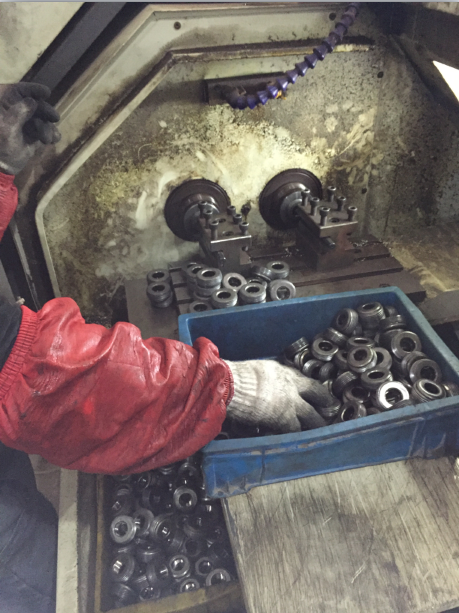
The Intermediate Metal Conduit Hot - dip Galvanized is also a great option for high - rise buildings. The hot - dip galvanizing process gives the conduit an extra layer of protection against corrosion. In a high - rise building, there could be different environmental conditions on different floors. Some floors might be more humid, which could cause corrosion over time. The galvanized coating helps prevent this, ensuring the longevity of the conduit.
However, there are also some potential downsides. One is the cost. High - rise construction is already expensive, and using IMC PIPE PG might add to the overall cost. But when you consider the long - term benefits like fire safety and durability, it might be worth the extra expense.
Another thing is that in some cases, the building codes in certain areas might have specific requirements for electrical conduits in high - rise buildings. You need to make sure that IMC PIPE PG meets all those codes before using it. It's always a good idea to consult with a local building inspector or an electrical engineer to be on the safe side.
In conclusion, IMC PIPE PG can definitely be used in high - rise buildings. It offers a good balance of fire safety, mechanical strength, and ease of installation. The hot - dip galvanized option also provides added protection against corrosion. While there are some cost and code - related considerations, the benefits generally outweigh the drawbacks.
If you're involved in high - rise construction and are thinking about using IMC PIPE PG, I'd love to have a chat with you. We can discuss your specific needs, the quantity you need, and the best way to get the product to your site. Whether you're a contractor, an architect, or an engineer, I'm here to help you make the right decision for your project.
So, don't hesitate to reach out if you have any questions or if you're ready to start the procurement process. Let's work together to make your high - rise building project a success!
References:
- General knowledge of construction materials and high - rise building requirements
- Industry standards for electrical conduits in high - rise construction