

Hey there! As a strut clamp supplier, I get asked a lot of questions about the uses of our products. One question that pops up quite often is, "Can strut clamps be used for mounting fans?" Well, let's dig into this topic and find out.
First off, let's talk a bit about what strut clamps are. Strut clamps are super handy little tools. They're designed to hold and secure various items to strut channels. These channels are like a backbone in many construction and industrial setups. Strut clamps come in different shapes and sizes, and they're made to be versatile. You can check out our range of Strut Clamp on our website.
Now, let's think about fans. Fans are everywhere, right? From small desk fans to big industrial ones. When it comes to mounting them, there are a few things we need to consider.
The Feasibility of Using Strut Clamps for Fan Mounting
The short answer is yes, strut clamps can be used for mounting fans. But it's not as simple as just slapping a clamp on and calling it a day. There are some factors we need to look at.
1. Fan Size and Weight
The size and weight of the fan are crucial. Small, lightweight fans are a breeze to mount with strut clamps. You can easily secure them to a strut channel using a suitable clamp. For example, a small desk fan that you might use in an office or a home workshop can be mounted without much hassle.
On the other hand, big industrial fans are a different story. These fans can be heavy and have a lot of force when they're running. You need to make sure the strut clamp you choose can handle the weight and the vibrations. A weak clamp might not hold up, and that could lead to the fan falling or causing damage.
2. Vibration and Movement
Fans create vibrations when they're running. These vibrations can put stress on the mounting system. Strut clamps are designed to be sturdy, but you need to make sure they're installed properly to handle the vibrations. You might need to use additional materials like rubber gaskets or washers to dampen the vibrations and prevent the clamp from loosening over time.
3. Location and Environment
Where the fan is going to be mounted also matters. If it's in a clean, dry environment, like an office, you don't have to worry too much about corrosion or other environmental factors. But if it's in a wet or corrosive environment, like a factory with a lot of moisture or chemicals, you need to choose a strut clamp that's made from a material that can withstand those conditions. For example, stainless steel clamps are a great choice for corrosive environments.
Advantages of Using Strut Clamps for Fan Mounting
1. Easy Installation
One of the biggest advantages of using strut clamps is how easy they are to install. You don't need a lot of tools or special skills. All you need to do is attach the clamp to the strut channel and then secure the fan to the clamp. It's a quick and straightforward process, which can save you a lot of time and effort.
2. Versatility
Strut clamps are very versatile. You can use them to mount fans in different positions and orientations. Whether you need to mount a fan horizontally, vertically, or at an angle, strut clamps can usually accommodate your needs. This flexibility makes them a great choice for a wide range of fan mounting applications.
3. Cost - Effective
Compared to some other fan mounting systems, strut clamps are relatively inexpensive. You can get a good quality clamp at a reasonable price, which can help you save money on your fan mounting project.

Different Types of Strut Clamps for Fan Mounting
There are several types of strut clamps that can be used for fan mounting.
1. Standard Strut Clamps
These are the most common type of strut clamps. They're simple and easy to use. You can find them in different sizes to fit different strut channels. Standard strut clamps are a great choice for small to medium - sized fans.
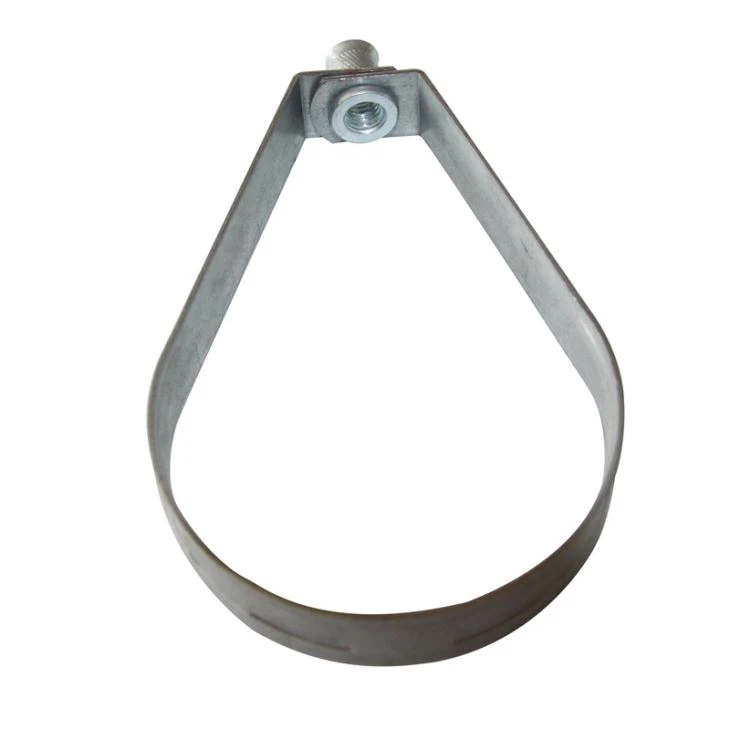
2. Sprinkler Clamp/Loop Hanger
These clamps are a bit more specialized. They're designed to be used in situations where you need to hang something from a strut channel. If you need to mount a fan in a hanging position, a sprinkler clamp or loop hanger might be a good option.
3. M8 M10 Pipe Clamp With EPDM
These clamps are great for mounting fans that are attached to pipes. The EPDM (ethylene propylene diene monomer) lining helps to provide a good grip and also dampens vibrations.
Tips for Using Strut Clamps to Mount Fans
1. Choose the Right Clamp
As we've mentioned before, make sure you choose a clamp that can handle the size, weight, and vibrations of the fan. Read the specifications carefully and don't be afraid to ask for advice if you're not sure.
2. Proper Installation
Follow the installation instructions carefully. Make sure the clamp is tightened properly, but don't over - tighten it, as this could damage the clamp or the strut channel. If possible, use a torque wrench to ensure the correct amount of tightening.
3. Regular Inspections
Once the fan is mounted, it's a good idea to do regular inspections. Check for any signs of wear, loosening, or damage. If you notice any problems, address them right away to prevent any accidents or damage.
Conclusion
So, can strut clamps be used for mounting fans? Absolutely! They offer a lot of advantages, like easy installation, versatility, and cost - effectiveness. However, you need to make sure you choose the right clamp for the job and install it properly.
If you're in the market for strut clamps for your fan mounting project, or if you have any questions about which clamp is right for you, don't hesitate to reach out. We're here to help you find the best solution for your needs. Whether it's a small desk fan or a big industrial one, we've got the strut clamps to get the job done.
If you're interested in learning more about our products or have any specific requirements, feel free to start a conversation with us. We're always happy to talk about how our strut clamps can meet your fan mounting needs and get your project up and running smoothly.
References
- General knowledge about strut clamps and fan mounting from years of experience in the industry.
- Product specifications and usage guidelines provided by strut clamp manufacturers.