

Hey there! As a supplier of IMC Pipe, I've seen firsthand how crucial proper grounding is in electrical installations. IMC, or Intermediate Metal Conduit, is a popular choice for protecting electrical wiring, but ensuring it's properly grounded is essential for safety and compliance. In this blog, I'll share some tips on how to ensure proper grounding with IMC Pipe.
First off, let's talk about why grounding is so important. Grounding provides a path for electrical current to flow safely into the earth in the event of a fault. This helps prevent electrical shocks, fires, and damage to equipment. When it comes to IMC Pipe, proper grounding ensures that any stray electrical currents are safely diverted away from people and property.
1. Choose the Right Grounding Components
One of the first steps in ensuring proper grounding with IMC Pipe is to choose the right grounding components. This includes grounding conductors, connectors, and fittings. For example, you might need to use Zinc Locknuts to secure the conduit and provide a good electrical connection. These locknuts are made of zinc, which provides good corrosion resistance and electrical conductivity.
Another important component is the grounding conductor. This is the wire that connects the IMC Pipe to the grounding electrode, such as a ground rod or a metal water pipe. The size of the grounding conductor depends on the size of the electrical service and the type of installation. Make sure to follow the National Electrical Code (NEC) guidelines when selecting the grounding conductor.
2. Install the IMC Pipe Correctly
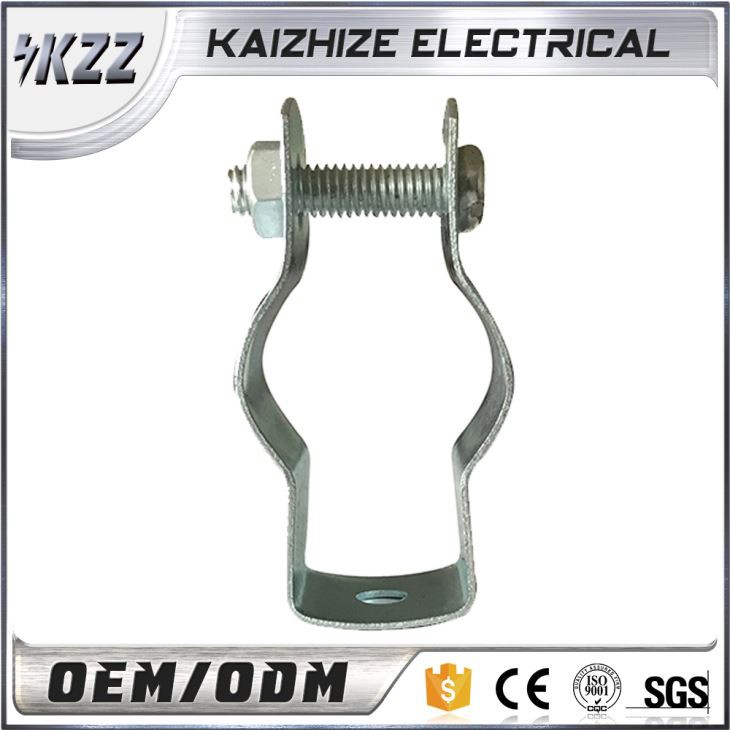
Proper installation of the IMC Pipe is also crucial for grounding. The conduit should be installed in a straight line and securely fastened to the structure. You can use IMC And Rigid Conduit Hanger to support the conduit at regular intervals. These hangers are designed to hold the conduit in place and prevent it from moving or vibrating.
When installing the IMC Pipe, make sure to use the appropriate fittings and connectors. This includes couplings, elbows, and tees. All joints should be tight and secure to ensure a continuous electrical path. You can use a grounding bushing or a bonding jumper to connect the conduit sections together and provide a good electrical connection.
3. Bond the IMC Pipe to Other Metal Components
In addition to grounding the IMC Pipe itself, you also need to bond it to other metal components in the electrical system. This includes metal boxes, panels, and equipment. Bonding ensures that all metal components are at the same electrical potential and helps prevent electrical shocks and fires.
You can use a bonding jumper to connect the IMC Pipe to other metal components. The bonding jumper should be made of a suitable material, such as copper or aluminum, and should be sized according to the NEC guidelines. Make sure to connect the bonding jumper securely to both the IMC Pipe and the other metal component.
4. Test the Grounding System
Once the IMC Pipe is installed and bonded, it's important to test the grounding system to make sure it's working properly. You can use a grounding resistance tester to measure the resistance of the grounding system. The resistance should be within the acceptable range specified by the NEC.
If the grounding resistance is too high, it could indicate a problem with the grounding system. This could be due to a loose connection, a damaged grounding conductor, or a faulty grounding electrode. In this case, you'll need to troubleshoot the problem and make the necessary repairs.
5. Maintain the Grounding System
Finally, it's important to maintain the grounding system over time. This includes inspecting the grounding components regularly for signs of damage or corrosion. If you notice any problems, such as a loose connection or a damaged grounding conductor, make sure to repair or replace the component as soon as possible.
You should also keep the grounding system clean and free of debris. Dirt, dust, and other contaminants can reduce the effectiveness of the grounding system and increase the risk of electrical problems. Make sure to follow the manufacturer's recommendations for cleaning and maintaining the grounding components.
In conclusion, ensuring proper grounding with IMC Pipe is essential for safety and compliance in electrical installations. By choosing the right grounding components, installing the IMC Pipe correctly, bonding it to other metal components, testing the grounding system, and maintaining it over time, you can ensure that your electrical system is safe and reliable.

If you're in the market for IMC Pipe or other electrical components, I'd love to hear from you. As a supplier, I can provide you with high-quality products at competitive prices. Whether you're working on a small residential project or a large commercial installation, I can help you find the right solutions for your needs. So, don't hesitate to reach out and start a conversation about your procurement requirements.
References
- National Electrical Code (NEC)
- Manufacturer's specifications for IMC Pipe and grounding components