

Installing a GI (Galvanized Iron) pipe in a vertical position is a task that requires careful planning, the right tools, and a clear understanding of the process. As a GI pipe supplier, I've seen firsthand the importance of proper installation to ensure the longevity and functionality of the pipes. In this blog, I'll guide you through the step-by-step process of installing a GI pipe vertically, from preparation to the final touches.
Step 1: Planning and Preparation
Before you start the installation, it's crucial to plan the project thoroughly. First, determine the purpose of the vertical GI pipe. Is it for plumbing, electrical conduit, or structural support? This will influence the size, thickness, and type of GI pipe you need.
Measure the vertical distance where the pipe will be installed. Make sure to account for any bends, joints, or connections. It's also important to identify the location of any obstacles, such as walls, beams, or other pipes, that may affect the installation.
Gather all the necessary tools and materials. You'll need a pipe cutter, pipe wrenches, a level, a drill, screws, and appropriate fittings. For electrical applications, you might also need EMT Set Screw Coupling Steel, EMT 45°Elbow, and EMT Strut Clamp.
Step 2: Cutting the Pipe
Once you have the correct measurements, it's time to cut the GI pipe to the appropriate length. Use a pipe cutter for a clean and precise cut. Mark the cutting point on the pipe using a pencil or a marker. Place the pipe cutter around the pipe at the marked point and tighten the cutter's wheel against the pipe. Rotate the cutter around the pipe, applying gentle pressure. After each rotation, tighten the cutter slightly until it cuts through the pipe.
Be careful when handling the cut pipe, as the edges may be sharp. You can use a file or sandpaper to smooth the edges to prevent injury and ensure a proper fit with the fittings.
Step 3: Preparing the Fittings
If you're using fittings, such as couplings or elbows, make sure they are clean and free of any debris. Apply a small amount of pipe joint compound or Teflon tape to the male threads of the pipe and the female threads of the fitting. This will create a tight seal and prevent leaks.
For electrical conduit applications, ensure that the fittings are compliant with the relevant electrical codes and standards. The EMT Set Screw Coupling Steel and EMT 45°Elbow are designed to provide a secure and reliable connection for electrical wiring.
Step 4: Installing the Pipe
Start by assembling the pipe and fittings at the bottom of the vertical installation. Use a level to ensure that the pipe is perfectly vertical. If the pipe is not level, it can cause issues with the flow of water or the installation of other components.

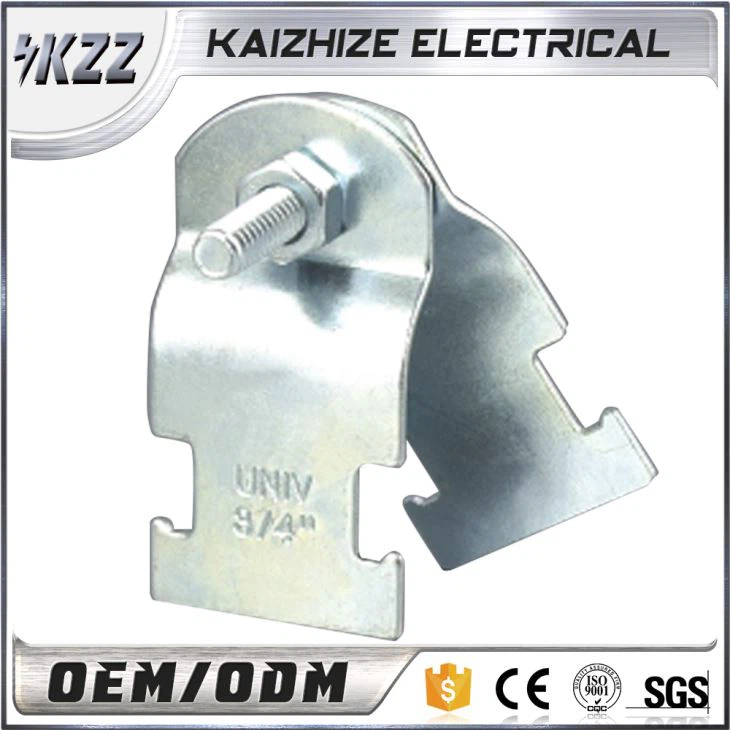
Once the bottom section is in place, use a pipe wrench to tighten the fittings. Be careful not to over-tighten, as this can damage the threads or the pipe. As you work your way up the vertical installation, use EMT Strut Clamp or other appropriate supports to secure the pipe to the wall or structure. This will prevent the pipe from sagging or moving over time.
Step 5: Securing the Pipe
To ensure the stability of the vertical GI pipe, it's important to secure it at regular intervals. Use brackets, clamps, or hangers to attach the pipe to the wall or structure. The spacing of the supports will depend on the size and weight of the pipe, as well as the application.
For plumbing applications, the supports should be placed close enough to prevent the pipe from vibrating or moving due to water flow. For electrical conduit, the supports should be spaced to prevent the conduit from sagging or bending under the weight of the wiring.
Step 6: Testing the Installation
Once the pipe is installed and secured, it's time to test the installation. For plumbing applications, turn on the water supply and check for any leaks at the joints or fittings. If you find a leak, tighten the fitting or apply additional pipe joint compound.
For electrical applications, test the wiring to ensure that it is functioning properly. Check for any loose connections or damaged insulation. Make sure that the conduit is properly grounded to prevent electrical hazards.
Step 7: Finishing Touches
After the installation has been tested and approved, you can add any finishing touches. This may include painting the pipe to match the surrounding environment or adding labels to identify the purpose of the pipe.
If the pipe is exposed, you can also apply a protective coating to prevent corrosion. Galvanized iron pipes are already coated with a layer of zinc to resist rust, but an additional coating can provide extra protection.
Conclusion
Installing a GI pipe in a vertical position is a complex but rewarding task. By following these steps and using the right tools and materials, you can ensure a successful installation. As a GI pipe supplier, I'm committed to providing high-quality products and expert advice to help you with your projects.
If you're interested in purchasing GI pipes or any related fittings, I encourage you to contact me for more information. We offer a wide range of GI pipes and accessories to meet your specific needs. Whether you're a professional contractor or a DIY enthusiast, I'm here to assist you with your installation projects.
References
- "Pipe Fitting Handbook" by the Pipe Fitting Institute
- National Electrical Code (NEC)
- Plumbing Codes and Standards