

Hey there! I'm an RMC Pipe supplier, and today I want to share some tips on how to maintain RMC (Rigid Metal Conduit) pipes. RMC pipes are super important in electrical installations, providing a reliable and durable way to protect electrical wires. Whether you're a professional electrician or a DIY enthusiast, keeping your RMC pipes in good shape is crucial for safety and longevity.
Regular Inspections
First things first, regular inspections are key. You should take a look at your RMC pipes at least once a year, or more often if they're in a high - stress environment. Check for any signs of physical damage like dents, cracks, or corrosion. Physical damage can compromise the integrity of the pipe and put your electrical system at risk.
When you're inspecting, pay close attention to the joints. Loose joints can allow moisture and dirt to get inside the pipe, which can lead to corrosion of the wires inside. You can use a torque wrench to make sure the joints are tightened to the manufacturer's specifications. If you find any loose joints, tighten them up right away.
Cleaning
Cleaning your RMC pipes is also an important part of maintenance. Over time, dust, dirt, and other debris can accumulate on the outside of the pipes. This might not seem like a big deal, but it can actually accelerate corrosion. You can use a mild detergent and a soft cloth to clean the pipes. Avoid using abrasive cleaners or tools, as they can scratch the surface of the pipe, making it more susceptible to corrosion.
For the inside of the pipes, if you notice any build - up of debris, you can use a pipe cleaner or a small brush to gently remove it. Make sure the pipes are completely dry after cleaning to prevent rusting.

Protection from the Elements
RMC pipes are designed to be tough, but they're not invincible, especially when it comes to the elements. If your pipes are installed outdoors, they're exposed to rain, snow, and sunlight. To protect them, you can use a protective coating. There are special coatings available that can resist corrosion and UV damage.
In areas with high humidity, you might also want to consider using a moisture barrier. This can help prevent moisture from getting inside the pipe and causing corrosion. You can find moisture barriers at most hardware stores.
Dealing with Corrosion
Even with the best maintenance, corrosion can still occur. If you notice any signs of corrosion on your RMC pipes, don't panic. There are ways to deal with it. For minor corrosion, you can use a wire brush to remove the rust. After removing the rust, you should apply a rust - inhibiting primer and then a topcoat to protect the pipe.
If the corrosion is more severe, you might need to replace the affected section of the pipe. It's better to replace a small section than to risk the entire electrical system due to a corroded pipe.
Using the Right Accessories
Using the right accessories can also help with the maintenance of your RMC pipes. For example, IMC And Rigid One Hole Strap can be used to securely fasten the pipes in place. This prevents the pipes from moving around, which can cause stress on the joints and lead to damage.
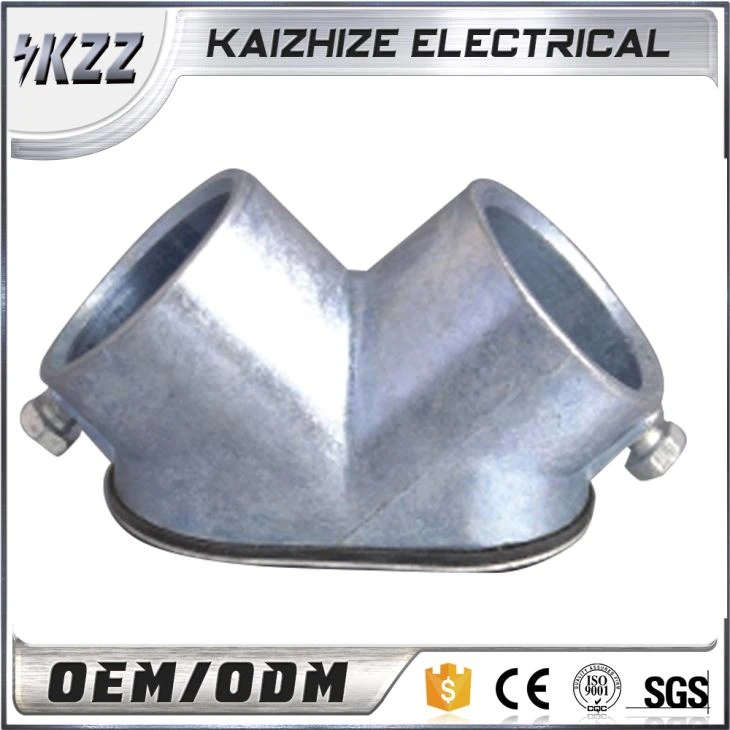
Pull Corner Elbow Rigid To Rigid is another useful accessory. It allows for smooth bends in the pipe, which reduces the risk of wire damage during installation and also makes it easier to pull wires through the pipe later on.
Reducing Washer can be used when you need to connect pipes of different sizes. This ensures a tight and secure connection, preventing leaks and protecting the wires inside.
Training and Education
If you're part of a team that works with RMC pipes, it's important to provide proper training and education. Make sure everyone knows how to install, inspect, clean, and maintain the pipes correctly. This can prevent a lot of common maintenance issues from occurring in the first place.
You can also stay updated on the latest industry standards and best practices. The electrical industry is constantly evolving, and new techniques and products are being developed all the time. By staying informed, you can ensure that your RMC pipes are maintained to the highest standards.
Record Keeping
Keeping records of your maintenance activities is a good idea. You can note down the dates of inspections, cleaning, and any repairs or replacements. This helps you keep track of when the next maintenance is due and also provides a history of the pipe's condition. If you ever need to troubleshoot a problem or provide documentation for an inspection, these records can be very valuable.
Conclusion
Maintaining RMC pipes isn't overly complicated, but it does require some attention and effort. By following these tips, you can ensure that your RMC pipes last a long time and provide reliable protection for your electrical wires.
If you're in the market for high - quality RMC pipes or any of the accessories we've mentioned, I'm here to help. As a trusted RMC Pipe supplier, I can provide you with the products you need at competitive prices. Whether you're working on a small DIY project or a large commercial installation, I've got you covered. Reach out to me for more information and to start a discussion about your specific needs.
References
- Electrical Installation Manuals
- Manufacturer's Guidelines for RMC Pipes
- Industry Standards for Electrical Conduit Maintenance