

Hey there! As a supplier of RMC Conduit, I've seen my fair share of damaged conduits. And let me tell you, it's not the end of the world when you come across one. In this blog, I'm gonna walk you through the steps on how to repair a damaged RMC Conduit.
First off, let's talk about what RMC Conduit is. Rigid Metal Conduit (RMC) is a thick-walled threaded tubing, usually made of steel, that's used to protect electrical wires. It's super durable, but it can still get damaged over time due to various reasons like physical impact, corrosion, or improper installation.
Step 1: Assess the Damage
The first thing you gotta do is take a good look at the damaged conduit. Figure out how bad the damage is. Is it just a small dent, or is there a big crack? If it's a minor dent, you might be able to fix it without replacing the whole section. But if there's a crack or a hole, you'll probably need to replace a part of the conduit.
Check for any signs of corrosion as well. Corrosion can weaken the conduit and make it more prone to further damage. If you see rust, you'll need to clean it off before you start the repair.
Step 2: Gather Your Tools and Materials
Once you've assessed the damage, it's time to gather the tools and materials you'll need for the repair. Here's a list of the basics:
- A hacksaw or a pipe cutter to cut the conduit if needed
- A reamer to smooth the edges of the cut conduit
- A threader to cut new threads on the conduit if you're joining sections
- Wrenches to tighten the fittings
- Electrical tape to insulate the wires
- Reducing Bushing if you need to connect conduits of different sizes
- Zinc Locknuts to secure the fittings
- Rigid Watertight Hub if you're working in a wet or damp environment
Step 3: Remove the Damaged Section
If the damage is bad enough that you need to replace a section of the conduit, use your hacksaw or pipe cutter to cut out the damaged part. Make sure you cut the conduit straight and clean. After cutting, use the reamer to smooth the edges of the cut. This will prevent the wires from getting snagged on the rough edges.

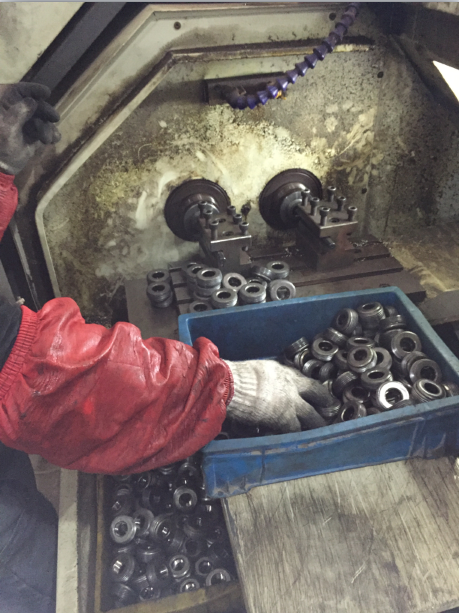
Step 4: Prepare the New Section
If you're replacing a section of the conduit, you'll need to prepare the new piece. Measure the length you need and cut the new conduit using the same tools as before. Then, if you're joining the new section to the existing conduit, use the threader to cut new threads on the ends of the conduit.
Step 5: Install the New Section
Now it's time to install the new section of the conduit. Slide the new piece into place and connect it to the existing conduit using the appropriate fittings. If you're using a reducing bushing, make sure it's the right size for the conduits you're connecting. Tighten the fittings using the wrenches, but don't over-tighten them. You don't want to damage the fittings or the conduit.
Step 6: Secure the Conduit
Once the new section is in place, use the zinc locknuts to secure the fittings. This will prevent the conduit from coming loose over time. Make sure the locknuts are tightened properly, but again, don't go overboard.
Step 7: Inspect the Repair
After you've installed the new section and secured the fittings, take a good look at the repair. Make sure everything is tight and secure. Check for any gaps or loose connections. If you're working in a wet or damp environment, make sure the Rigid Watertight Hub is properly installed to prevent water from getting into the conduit.
Step 8: Insulate the Wires
Finally, use electrical tape to insulate the wires inside the conduit. This will protect the wires from damage and prevent any electrical shorts. Make sure the tape is wrapped tightly around the wires.
Tips for a Successful Repair
- Always follow the manufacturer's instructions when using the tools and materials.
- Wear safety gear like gloves and safety glasses to protect yourself.
- If you're not sure about something, don't hesitate to ask for help. You can consult an electrician or someone with more experience in conduit repair.
Conclusion
Repairing a damaged RMC Conduit might seem like a daunting task, but if you follow these steps, you'll be able to do it like a pro. Remember, safety is always the top priority, so make sure you take all the necessary precautions.
If you're in the market for RMC Conduit or any of the fittings we mentioned in this blog, we're here to help. We offer high-quality products at competitive prices. Whether you're a professional electrician or a DIY enthusiast, we've got what you need. Reach out to us if you have any questions or if you're ready to start your next project. We're looking forward to working with you!
References
- Electrical Installation Handbook, various editions
- National Electrical Code (NEC) standards