

Is RMC Tube resistant to wind - induced forces?
As a supplier of RMC (Rigid Metal Conduit) tubes, I've been frequently asked about the tube's resistance to wind - induced forces. This is a crucial question, especially in regions prone to high - velocity winds, such as coastal areas or locations with a high frequency of storms. In this blog, I'll delve into the science behind RMC tube's wind resistance, explore the factors that affect it, and present real - world evidence to support its performance.

The Basics of RMC Tubes
RMC tubes are made of steel, which gives them inherent strength and durability. Steel is a well - known material in construction for its high tensile and compressive strength. These tubes are used in a wide range of electrical installations, from commercial buildings to industrial facilities. Their primary function is to protect electrical wires from physical damage, moisture, and other environmental factors.
When it comes to wind - induced forces, the key properties of steel that come into play are its stiffness and strength. Stiffness determines how much the tube will deform under load, while strength indicates the maximum load the tube can withstand before failure. RMC tubes, due to their steel composition, have relatively high stiffness and strength, which are essential for withstanding wind forces.
Understanding Wind - Induced Forces
Wind - induced forces are complex and depend on several factors. The most obvious one is wind speed. Higher wind speeds generate greater forces on structures. Additionally, the shape and size of the structure also play a significant role. For RMC tubes, their circular cross - section is an advantage. A circular shape distributes wind forces more evenly around the circumference compared to other shapes. This reduces the concentration of stress at any single point on the tube, minimizing the risk of local failure.
Another important aspect of wind - induced forces is the dynamic nature of wind. Wind is not a static force; it fluctuates in speed and direction. These fluctuations can cause vibrations in the RMC tubes. If the natural frequency of the tube matches the frequency of the wind fluctuations, resonance can occur, leading to excessive vibrations and potentially causing damage. However, the inherent stiffness of RMC tubes helps to shift their natural frequencies away from the typical frequencies of wind fluctuations, reducing the risk of resonance.
Factors Affecting RMC Tube's Wind Resistance
- Wall Thickness: Thicker - walled RMC tubes are generally more resistant to wind - induced forces. A greater wall thickness increases the tube's moment of inertia, which in turn enhances its resistance to bending. When wind blows against the tube, it tries to bend it. A tube with a larger moment of inertia will deform less under the same wind load.
- Installation Method: Proper installation is crucial for maximizing the wind resistance of RMC tubes. Tubes should be securely fastened to the supporting structure. Using high - quality fittings such as the IMC And Rigid Strut Clamp ensures that the tubes are held firmly in place. Loose or improperly installed tubes are more likely to be dislodged or damaged by wind forces.
- Length and Spacing: The length of the RMC tubes and the spacing between supports also affect their wind resistance. Longer tubes are more prone to bending under wind load, so it's important to provide adequate support at appropriate intervals. Spacing the supports closer together reduces the effective span of the tube, decreasing the bending moment and increasing its overall stability.
Real - World Evidence of RMC Tube's Wind Resistance
There have been numerous real - world applications where RMC tubes have demonstrated excellent resistance to wind - induced forces. In coastal areas, where hurricanes and high - velocity winds are common, electrical systems protected by RMC tubes have remained intact during severe storms. For example, in some large industrial plants near the coast, RMC - protected wiring has continued to function even after powerful hurricanes have passed through.
In addition, many building codes and standards take into account the wind resistance of RMC tubes. These codes are based on extensive research and real - world data. They specify the requirements for the use of RMC tubes in different wind zones, ensuring that the tubes can withstand the expected wind forces in those areas.
Complementary Fittings for Enhanced Wind Resistance
Apart from the tube itself, the fittings used with RMC tubes also contribute to their wind resistance. The Grounding Locknut not only provides electrical grounding but also helps to secure the tube connections. A well - grounded and tightly connected system is more stable and less likely to be affected by wind forces.
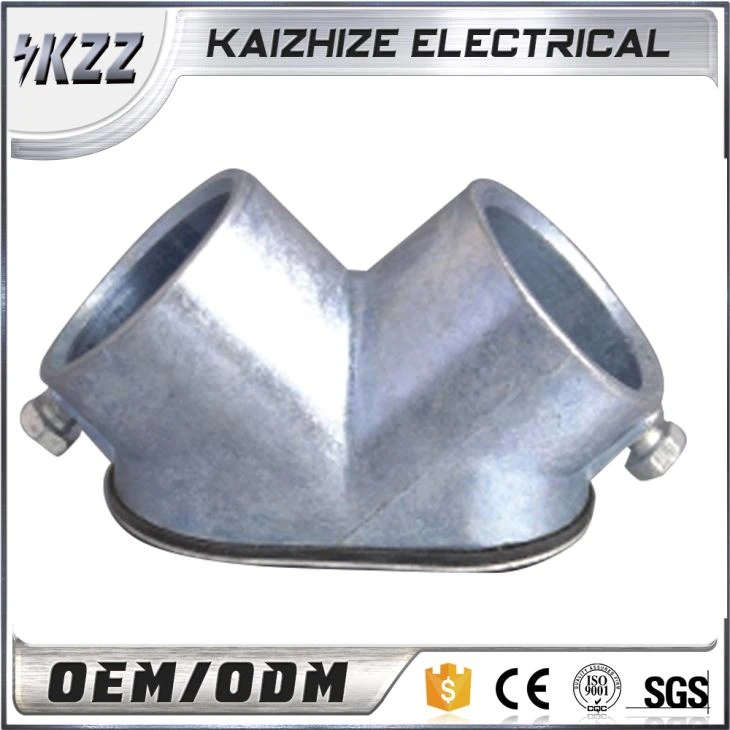
The Pull Corner Elbow Rigid To Rigid is another important fitting. It allows for smooth changes in the direction of the RMC tube, reducing the stress concentration at corners. This is especially important when wind is blowing from different angles, as it helps to maintain the integrity of the tube system.
Conclusion
In conclusion, RMC tubes are highly resistant to wind - induced forces. Their steel composition, circular cross - section, and the ability to be properly installed with appropriate fittings make them a reliable choice for electrical installations in windy environments. The factors such as wall thickness, installation method, and support spacing can be optimized to further enhance their wind resistance.
If you're involved in an electrical project in an area with high wind potential, RMC tubes should be at the top of your list. Our company offers a wide range of RMC tubes and complementary fittings to meet your specific needs. We are committed to providing high - quality products that can withstand the most challenging environmental conditions. If you're interested in learning more about our RMC tubes or would like to discuss a potential purchase, please feel free to get in touch with us. We look forward to the opportunity to work with you and contribute to the success of your project.
References
- ASCE 7 - 16: Minimum Design Loads and Associated Criteria for Buildings and Other Structures.
- NFPA 70: National Electrical Code.
- Manufacturer's data sheets on RMC tubes and related fittings.