

As a seasoned supplier in the field of Galvanized Iron (GI) pipes, I've witnessed firsthand the numerous advantages that these pipes offer across a wide range of applications. In this blog, I'll delve into the key benefits of using GI pipes, highlighting why they are a preferred choice for many industries and projects.
Corrosion Resistance
One of the most significant advantages of GI pipes is their exceptional corrosion resistance. The galvanization process involves coating the iron or steel pipes with a layer of zinc. This zinc layer acts as a sacrificial anode, protecting the underlying metal from oxidation and rusting. When exposed to moisture or other corrosive elements, the zinc corrodes first, sparing the pipe's core material. As a result, GI pipes can withstand harsh environmental conditions, including high humidity, saltwater exposure, and chemical-laden environments. This makes them ideal for outdoor applications such as water supply systems, fencing, and structural supports. For example, in coastal areas where the air is salty, GI pipes can last significantly longer than non-galvanized pipes, reducing the need for frequent replacements and maintenance costs.
Durability and Longevity
GI pipes are known for their durability and long lifespan. The combination of the strong iron or steel base and the protective zinc coating makes them resistant to physical damage, abrasion, and impact. They can withstand high pressure and stress, making them suitable for use in various industrial and construction applications. Whether it's for transporting fluids, supporting structures, or serving as electrical conduits, GI pipes can handle the demands without breaking down easily. In addition, the zinc coating provides a smooth surface that reduces friction and wear, further extending the pipe's life. This durability translates into long-term cost savings, as businesses and homeowners don't have to worry about frequent repairs or replacements.
Cost-Effectiveness
In terms of cost, GI pipes offer a great balance between quality and affordability. Compared to other types of pipes, such as stainless steel or copper, GI pipes are generally more budget-friendly. The initial investment in GI pipes is relatively low, making them an attractive option for large-scale projects. Moreover, their long lifespan and low maintenance requirements result in significant cost savings over time. You don't have to spend a fortune on frequent replacements or repairs, which can add up quickly. Additionally, the availability of GI pipes in a wide range of sizes and specifications allows for efficient use of materials, reducing waste and further lowering costs.
Versatility
GI pipes are incredibly versatile and can be used in a multitude of applications. In the construction industry, they are commonly used for plumbing systems, providing a reliable and safe way to transport water and gas. They can also be found in structural frameworks, such as buildings, bridges, and towers, where their strength and durability are essential. In the agricultural sector, GI pipes are used for irrigation systems, helping to distribute water efficiently across fields. They are also used in the manufacturing industry for conveyor systems, machinery supports, and more. The versatility of GI pipes makes them a go-to choice for engineers, contractors, and DIY enthusiasts alike.
Easy Installation
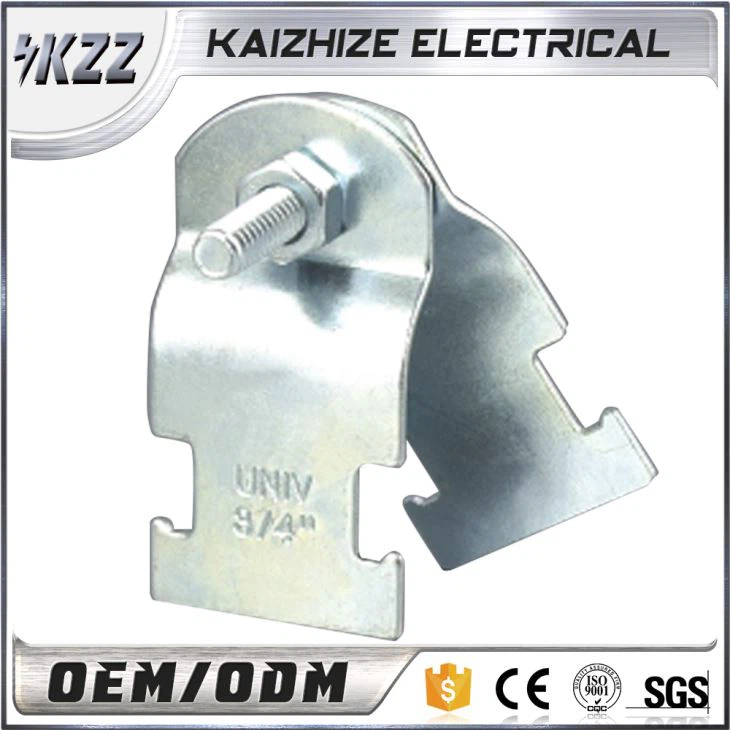
Installing GI pipes is relatively straightforward, which is another advantage. They can be easily cut, bent, and joined using standard tools and techniques. This makes the installation process quicker and more efficient, reducing labor costs. Whether you're a professional installer or a homeowner doing a DIY project, you'll find that working with GI pipes is manageable. The smooth surface of the pipes also allows for easy flow of fluids, minimizing the risk of blockages. Additionally, the availability of various fittings and accessories, such as EMT Compression Coupling Steel, EMT Compression Coupling Zinc, and EMT Strut Clamp, makes it easy to connect and secure the pipes in different configurations.
Fire Resistance
GI pipes have good fire-resistant properties. The iron or steel base material has a high melting point, and the zinc coating can also provide some level of protection against fire. In the event of a fire, GI pipes are less likely to combust or spread flames compared to other types of pipes, such as plastic pipes. This makes them a safer option for applications where fire safety is a concern, such as in commercial buildings and industrial facilities. The fire resistance of GI pipes can help to contain fires and prevent the spread of damage, potentially saving lives and property.
Environmental Friendliness
From an environmental perspective, GI pipes are a more sustainable choice. The galvanization process uses zinc, which is a natural and abundant resource. Additionally, the long lifespan of GI pipes means that they don't need to be replaced as often, reducing the amount of waste generated. When GI pipes reach the end of their useful life, they can be recycled and reused, further minimizing their environmental impact. This makes them a greener alternative to some other types of pipes that may be difficult to recycle or have a shorter lifespan.

Compatibility with Other Materials
GI pipes are compatible with a wide range of other materials, including other metals, plastics, and rubber. This allows for easy integration into existing systems or the use of different components in a project. For example, they can be connected to copper pipes using appropriate fittings, or they can be used in conjunction with plastic valves and fixtures. The compatibility of GI pipes makes them a flexible option for various applications, as they can be combined with other materials to meet specific requirements.
High Strength-to-Weight Ratio
GI pipes have a high strength-to-weight ratio, which means they are strong enough to support heavy loads while being relatively lightweight. This makes them easy to transport, handle, and install, especially in large-scale projects. The reduced weight also means that less structural support is required, which can lead to cost savings in the construction process. Whether it's for above-ground or underground installations, the high strength-to-weight ratio of GI pipes makes them a practical choice.
Availability
GI pipes are widely available in the market. You can find them in various sizes, thicknesses, and lengths, making it easy to source the right pipes for your project. As a supplier, I can offer a comprehensive range of GI pipes to meet different customer needs. The widespread availability of GI pipes also means that you can get them quickly, reducing project delays. Whether you're a small contractor or a large corporation, you can rely on the easy access to GI pipes to keep your projects on track.
In conclusion, the advantages of using GI pipes are numerous and significant. Their corrosion resistance, durability, cost-effectiveness, versatility, easy installation, fire resistance, environmental friendliness, compatibility, high strength-to-weight ratio, and availability make them an excellent choice for a wide range of applications. If you're considering using pipes for your next project, I highly recommend exploring the benefits of GI pipes. Whether you're in the construction, agricultural, manufacturing, or any other industry, GI pipes can provide a reliable and long-lasting solution. If you have any questions or are interested in purchasing GI pipes, feel free to reach out to me for more information and to discuss your specific requirements. I'm here to help you make the best choice for your project and ensure its success.
References
- "Galvanized Steel Pipe Handbook" by The Galvanizers Association
- "Corrosion Resistance of Galvanized Iron Pipes" in Journal of Materials Science
- "Advances in Pipe Technology" by American Society of Civil Engineers