

Hey there! As a supplier of RMC Pipe, I've been getting a lot of questions lately about its environmental impact. So, I thought I'd take a deep dive into this topic and share what I've learned.
First off, let's talk about what RMC Pipe is. RMC stands for Rigid Metal Conduit. It's a type of pipe made from steel and is commonly used in electrical installations to protect wires and cables. You can check out our Rigid Metal Conduit Hot-dip Galvanized for more details on the product.
Production Process and Its Impact
The production of RMC Pipe involves several steps, and each step has its own environmental implications. The first step is sourcing the raw materials. Steel, the main component of RMC Pipe, is made from iron ore. Mining iron ore can have a significant impact on the environment. It can lead to deforestation, soil erosion, and water pollution. The extraction process often requires large amounts of water, and the waste generated can contaminate nearby water sources.
Once the iron ore is mined, it's transported to a steel mill. The transportation of raw materials also contributes to greenhouse gas emissions, mainly from the fuel burned by trucks, trains, or ships. At the steel mill, the iron ore is processed into steel through a series of heating and cooling processes. These processes consume a huge amount of energy, mostly from fossil fuels. As a result, a large amount of carbon dioxide is released into the atmosphere, contributing to global warming.
However, advancements in technology have made the steel production process more efficient. Many steel mills now use recycled steel as a raw material, which reduces the need for new iron ore mining. Recycling steel also consumes less energy compared to producing steel from scratch. This not only helps to conserve natural resources but also reduces the environmental impact of steel production.
Installation and Use
When it comes to installing RMC Pipe, there are also some environmental considerations. The installation process may require the use of tools and equipment that run on fossil fuels, such as generators and power tools. These tools emit greenhouse gases during operation. Additionally, the installation may involve cutting and fitting the pipes, which can generate waste materials.
But on the bright side, RMC Pipe has a long lifespan. It's durable and resistant to corrosion, which means it doesn't need to be replaced as often as other types of pipes. This reduces the frequency of production and disposal, thereby minimizing the overall environmental impact. Moreover, RMC Pipe provides excellent protection for electrical wires and cables. By preventing damage to the wires, it reduces the risk of electrical fires, which can have a devastating impact on the environment and human lives.
Disposal
At the end of its useful life, RMC Pipe needs to be disposed of properly. If it's not recycled, it will end up in a landfill. Landfills take up valuable land space and can release methane, a potent greenhouse gas, as the waste decomposes. However, since RMC Pipe is made of steel, it can be easily recycled. Recycling steel from RMC Pipe not only reduces the amount of waste in landfills but also saves energy and resources.
Accessories and Their Impact
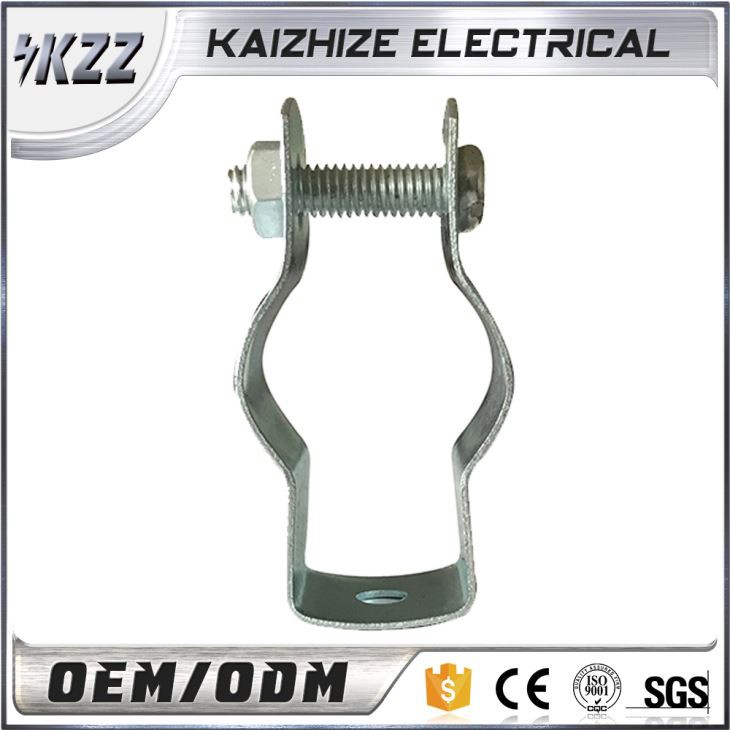
In addition to the RMC Pipe itself, there are also various accessories that are used in conjunction with it, such as Rigid Coupling and IMC And Rigid Conduit Hanger. These accessories are also typically made of steel and have similar environmental impacts as the RMC Pipe. Their production, installation, and disposal follow similar processes and have similar environmental implications.
Our Efforts as a Supplier
As a supplier of RMC Pipe, we're aware of the environmental impact of our products. We're committed to taking steps to minimize this impact. We work with steel mills that prioritize environmental sustainability. We source steel that contains a high percentage of recycled content, which helps to reduce the demand for new iron ore mining.
We also provide training to our installers on how to minimize waste during the installation process. For example, we encourage them to measure and cut the pipes accurately to reduce the amount of scrap material. Additionally, we promote the proper disposal and recycling of our products at the end of their useful life.
Conclusion
In conclusion, the environmental impact of RMC Pipe is a complex issue. While its production, installation, and disposal do have some negative environmental implications, there are also ways to mitigate these impacts. Advancements in technology and a growing focus on sustainability are making the production and use of RMC Pipe more environmentally friendly.

As a supplier, we're doing our part to reduce the environmental impact of our products. But we also believe that our customers can play a crucial role. By choosing RMC Pipe with a high recycled content, properly installing and maintaining the pipes, and ensuring their proper disposal and recycling, we can all work together to minimize the environmental footprint of RMC Pipe.
If you're interested in learning more about our RMC Pipe products or have any questions about their environmental impact, feel free to reach out to us. We'd be happy to discuss your needs and how we can help you make more sustainable choices. Whether you're a contractor, an electrician, or a project manager, we're here to provide you with high-quality RMC Pipe and accessories. Let's work together to build a more sustainable future!
References
- "Environmental Impact of Steel Production." World Steel Association.
- "Recycling Steel: A Sustainable Solution." Steel Recycling Institute.
- "The Future of Sustainable Construction Materials." Construction Research Journal.