

What is the flow capacity of IMC PIPE PG?
As a proud supplier of IMC PIPE PG, I often encounter inquiries about its flow capacity. Understanding the flow capacity of IMC PIPE PG is crucial for various applications, especially in electrical and plumbing systems. In this blog post, I will delve into the concept of flow capacity, factors affecting it, and how it relates to the use of IMC PIPE PG.

Understanding Flow Capacity
Flow capacity refers to the maximum amount of a substance, such as fluid or electrical current, that a pipe or conduit can carry safely and efficiently. In the context of IMC PIPE PG, the flow capacity is mainly concerned with the accommodation of electrical wires and cables. It is essential to ensure that the conduit can handle the required number of conductors without overheating or causing other safety hazards.
Factors Affecting the Flow Capacity of IMC PIPE PG
- Pipe Size: The diameter of the IMC PIPE PG plays a significant role in determining its flow capacity. Larger pipes can accommodate more wires and cables, allowing for a higher flow capacity. For example, a 2-inch IMC PIPE PG can typically carry more conductors than a 1-inch pipe.
- Wire Size and Quantity: The size and number of wires or cables being installed in the conduit also impact the flow capacity. Thicker wires take up more space, reducing the number of additional conductors that can fit inside. Therefore, it is crucial to consider the wire gauge and the total number of wires when calculating the flow capacity.
- Fill Ratio: The fill ratio is the percentage of the conduit's cross-sectional area occupied by the wires or cables. Electrical codes specify maximum fill ratios to ensure proper ventilation and prevent overheating. A lower fill ratio generally results in better heat dissipation and a higher flow capacity.
- Conduit Material and Design: The material and design of the IMC PIPE PG can affect its flow capacity. Some conduits are designed with smooth interiors to reduce friction and allow for easier wire pulling, which can increase the effective flow capacity. Additionally, the material's thermal conductivity can impact heat dissipation, influencing the overall performance of the conduit.
Calculating the Flow Capacity
To determine the flow capacity of IMC PIPE PG, you need to consider the factors mentioned above and follow the guidelines provided by electrical codes. Here is a general step-by-step process for calculating the flow capacity:
- Determine the Pipe Size: Select the appropriate IMC PIPE PG size based on the number and size of wires you plan to install.
- Calculate the Cross-Sectional Area: Measure the inner diameter of the pipe and use the formula for the area of a circle (A = πr²) to calculate the cross-sectional area.
- Determine the Fill Ratio: Refer to the electrical code to find the maximum allowable fill ratio for the type of installation. This ratio is typically expressed as a percentage.
- Calculate the Available Area: Multiply the cross-sectional area of the pipe by the fill ratio to determine the available area for the wires or cables.
- Select the Wire Size and Quantity: Choose the appropriate wire gauge based on the electrical load requirements. Then, calculate the total cross-sectional area of the wires you plan to install.
- Check the Flow Capacity: Compare the total cross-sectional area of the wires to the available area in the conduit. If the total wire area is less than or equal to the available area, the conduit can accommodate the wires within the specified fill ratio.
Applications and Importance of Flow Capacity
The flow capacity of IMC PIPE PG is crucial in various applications, including commercial, industrial, and residential electrical installations. Here are some key reasons why understanding flow capacity is important:
- Safety: Ensuring that the conduit has an adequate flow capacity helps prevent overheating, which can lead to electrical fires and other safety hazards. By following the recommended fill ratios and calculations, you can maintain a safe electrical system.
- Efficiency: Properly sized conduits with sufficient flow capacity allow for easier wire pulling and installation. This can save time and labor costs during the construction or renovation process.
- Compliance: Electrical codes and regulations specify maximum fill ratios and other requirements for conduit installations. By adhering to these standards, you can ensure compliance and avoid potential fines or legal issues.
Related Products and Accessories
In addition to IMC PIPE PG, there are several related products and accessories that can enhance the performance and functionality of your electrical system. Here are some examples:
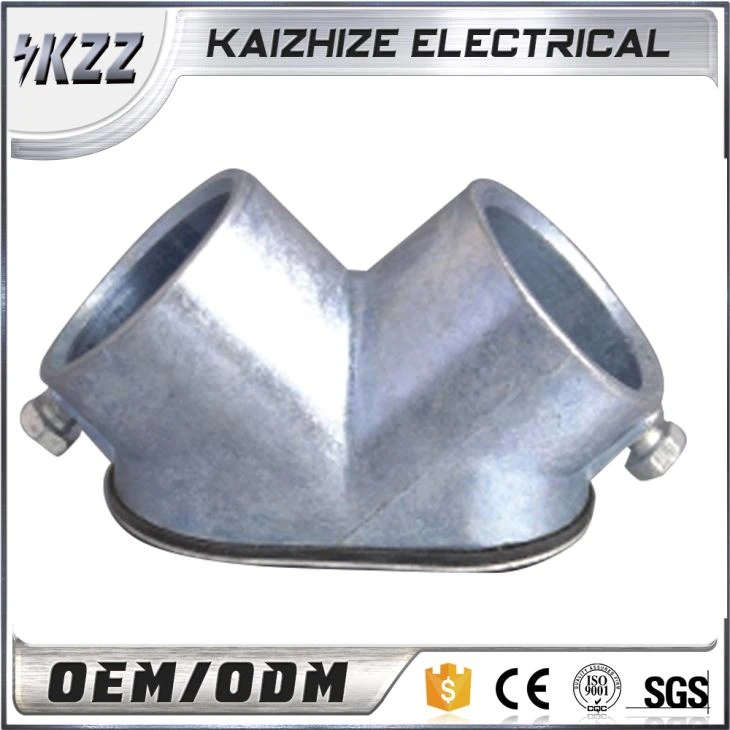
- Pull Corner Elbow Rigid To Rigid: These elbows are designed to facilitate wire pulling around corners, reducing friction and making the installation process smoother.
- IMC And Rigid Conduit Hanger: Conduit hangers are used to support and secure the IMC PIPE PG in place, ensuring proper alignment and preventing damage.
- Grounding Locknut: Grounding locknuts are essential for establishing a reliable electrical ground connection, which is crucial for safety and compliance.
Conclusion
In conclusion, the flow capacity of IMC PIPE PG is a critical factor to consider in electrical installations. By understanding the factors that affect flow capacity, calculating it accurately, and using the appropriate products and accessories, you can ensure a safe, efficient, and compliant electrical system. If you have any questions or need further assistance with your IMC PIPE PG needs, please feel free to contact us. We are here to help you make the right choices for your project.
References
- National Electrical Code (NEC)
- Manufacturer's specifications for IMC PIPE PG
- Industry standards and best practices for electrical conduit installations