

What is the impact resistance of an EMT elbow?
As a dedicated supplier of EMT elbows, I've witnessed firsthand the importance of understanding the impact resistance of these crucial electrical conduit components. Electrical Metallic Tubing (EMT) elbows are used in a wide range of electrical installations, from residential wiring to large - scale commercial and industrial projects. Their ability to withstand impacts is not just a technical specification but a key factor in ensuring the long - term safety and reliability of electrical systems.
Understanding EMT Elbows
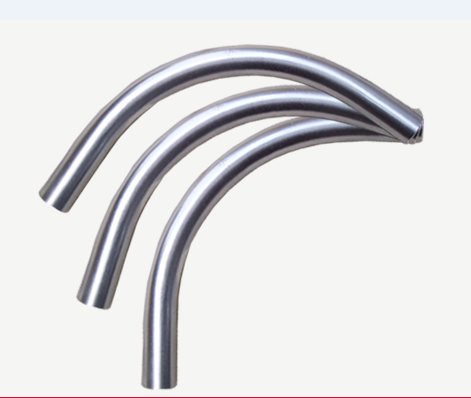
Before delving into impact resistance, let's briefly understand what EMT elbows are. EMT is a thin - walled steel conduit that provides a protective pathway for electrical wires. An EMT elbow, such as the EMT 90°Elbow, is a bent section of this conduit that allows for changes in direction. These elbows are typically available in various angles, with 90° being the most common, and are used to route wires around corners, through partitions, and in other spaces where a straight run of conduit is not possible.
Factors Affecting Impact Resistance
- Material Quality
The quality of the steel used in manufacturing EMT elbows is a fundamental determinant of their impact resistance. High - grade steel with the right composition and heat treatment will have better strength and toughness. For example, steel with a proper balance of carbon and other alloying elements can withstand higher impact forces without deforming or cracking. A well - made EMT elbow from high - quality steel will be able to resist impacts from accidental bumps during installation, as well as from external forces during the service life of the electrical system. - Wall Thickness
The thickness of the EMT elbow's wall also plays a significant role. A thicker wall generally means greater impact resistance. However, there is a trade - off, as thicker walls can make the elbows heavier and more expensive. Manufacturers need to find the optimal wall thickness that provides sufficient impact resistance while still being cost - effective and easy to install. In most standard applications, the wall thickness of EMT elbows is regulated to ensure a minimum level of performance. - Manufacturing Process
The way an EMT elbow is manufactured can greatly influence its impact resistance. Precision bending processes that maintain the integrity of the steel's structure are essential. If the bending process is not done correctly, it can create weak points in the elbow, making it more susceptible to impacts. Additionally, proper finishing processes, such as galvanization, can enhance the elbow's durability and resistance to corrosion, which in turn can affect its long - term impact resistance.
Importance of Impact Resistance in Different Applications
- Residential Installations
In residential settings, EMT elbows are used in wiring for lighting, outlets, and appliances. While the risk of high - impact events is relatively low compared to industrial settings, there are still potential sources of impact. For example, during home renovations or when furniture is being moved, the electrical conduits may be accidentally hit. An EMT elbow with good impact resistance will prevent damage to the conduit, which could otherwise expose the electrical wires and pose a safety hazard. - Commercial Buildings
Commercial buildings, such as offices, shopping malls, and hospitals, have more complex electrical systems. EMT elbows are used in large - scale wiring installations that span multiple floors and areas. In these environments, there is a higher risk of impacts from construction activities, equipment movement, and even human traffic. A damaged EMT elbow in a commercial building can disrupt the electrical supply, leading to downtime and potential safety issues. Therefore, impact - resistant EMT elbows are crucial for maintaining the reliability of the electrical infrastructure. - Industrial Environments
Industrial settings present the most challenging conditions for EMT elbows. Heavy machinery, forklift traffic, and ongoing construction or maintenance work all increase the likelihood of high - impact events. In addition, industrial electrical systems often carry high - voltage currents, so any damage to the conduit can have serious consequences. Impact - resistant EMT elbows are essential in these environments to protect the electrical wiring from damage and ensure the safety of workers and the continuous operation of the industrial processes.
Testing Impact Resistance
Manufacturers of EMT elbows typically conduct various tests to determine their impact resistance. One common test is the drop test, where a weighted object is dropped onto the elbow from a specified height. The elbow is then inspected for any signs of damage, such as cracks or deformation. Another test is the impact test using a pendulum, which simulates a sudden impact force. These tests help manufacturers ensure that their EMT elbows meet the required industry standards for impact resistance.
Complementary Products and Their Role
In addition to EMT elbows, other related products can also contribute to the overall safety and performance of an electrical conduit system. For example, EMT Compression Coupling Zinc is used to connect two sections of EMT conduit. A well - made compression coupling can provide a secure connection, which is important for maintaining the integrity of the conduit system in the event of an impact. Similarly, Zinc Locknuts are used to secure EMT elbows and other fittings in place. These locknuts help prevent loosening due to vibrations or impacts, ensuring that the entire electrical conduit system remains stable.
How Our EMT Elbows Stand Out
As a supplier, we take pride in offering EMT elbows with excellent impact resistance. Our products are made from high - quality steel that undergoes strict quality control measures. We use advanced manufacturing processes to ensure that the elbows have a consistent wall thickness and a smooth finish. Our EMT elbows are also thoroughly tested to meet or exceed industry standards for impact resistance. Whether you are working on a small residential project or a large - scale industrial installation, you can trust our EMT elbows to provide reliable protection for your electrical wiring.
Conclusion
The impact resistance of an EMT elbow is a critical factor in the safety and reliability of electrical systems. It is influenced by factors such as material quality, wall thickness, and manufacturing processes. In different applications, from residential to industrial, impact - resistant EMT elbows play a vital role in protecting electrical wiring from damage. Complementary products like compression couplings and locknuts also contribute to the overall performance of the conduit system.

If you are in the market for high - quality EMT elbows with excellent impact resistance, we are here to help. Our team of experts can provide you with detailed information about our products and assist you in finding the right solution for your specific needs. Contact us today to start a discussion about your procurement requirements and take the first step towards a safer and more reliable electrical installation.
References
- National Electrical Code (NEC) standards for electrical conduits and fittings.
- Industry research on the performance of EMT elbows in different environments.
- Manufacturer's technical specifications for EMT elbows and related products.