

What is the smoothness of the inner surface of EMT pipe?
As a supplier of Electrical Metallic Tubing (EMT) pipes, I often encounter inquiries about the smoothness of the inner surface of these pipes. Smoothness is a critical characteristic that significantly impacts the functionality and performance of EMT pipes in electrical installations. In this blog, I'll delve into what the smoothness of the inner surface of EMT pipes entails, its importance, and how it affects the overall quality of electrical systems.
Understanding the Smoothness of EMT Pipe Inner Surface
The smoothness of the inner surface of an EMT pipe refers to the evenness and lack of irregularities within the tube's interior. A smooth inner surface is free from rough patches, burrs, or protrusions that could potentially impede the passage of electrical wires or cables. It is typically measured in terms of surface roughness, which quantifies the micro - variations in the surface texture.
Manufacturers strive to achieve a high level of smoothness during the production process. This involves precise manufacturing techniques, such as cold - rolling and annealing, to ensure that the inner surface meets the required standards. The smoothness is often specified in industry standards, which provide guidelines on acceptable roughness values. For more information on these standards, you can refer to the Electrical Metallic Tube Standard.
Importance of Inner Surface Smoothness
- Ease of Wire Pulling
One of the primary reasons for having a smooth inner surface is to facilitate the easy pulling of electrical wires and cables through the EMT pipe. Rough inner surfaces can cause friction, making it difficult to install wires. This not only increases the time and labor required for installation but also poses a risk of damaging the wire insulation. When wires are pulled through a rough - surfaced pipe, the insulation can be scraped or abraded, potentially leading to short circuits or electrical failures in the long run. - Prevention of Wire Damage
A smooth inner surface helps prevent physical damage to the wires. Electrical wires are delicate, and any damage to their insulation can compromise the safety and performance of the electrical system. By minimizing friction and abrasion, a smooth inner surface ensures that the wires remain intact during installation and throughout their service life. - Corrosion Resistance
Smooth surfaces are less prone to corrosion compared to rough ones. Rough surfaces can trap moisture and other corrosive substances, creating an environment where rust and corrosion can develop. A smooth inner surface allows for better drainage of moisture and reduces the likelihood of corrosion, which is essential for maintaining the integrity of the EMT pipe and the electrical system it protects.
Measuring Inner Surface Smoothness
There are several methods to measure the smoothness of the inner surface of an EMT pipe. One common method is the use of profilometers. A profilometer measures the surface profile by tracing a stylus along the surface. It provides detailed information about the surface roughness, including the average roughness (Ra), maximum peak - to - valley height (Rz), and other parameters.
Another method is the use of optical techniques, such as confocal microscopy or white - light interferometry. These methods can provide high - resolution images of the surface and accurate measurements of surface roughness. By using these measurement techniques, manufacturers can ensure that their EMT pipes meet the required smoothness standards.
Factors Affecting Inner Surface Smoothness
- Manufacturing Process
The manufacturing process has a significant impact on the smoothness of the inner surface of EMT pipes. Cold - rolling is a common method used to produce EMT pipes. During cold - rolling, the steel is passed through a series of rollers to reduce its thickness and shape it into a tube. The quality of the rollers and the precision of the rolling process can affect the smoothness of the inner surface. Additionally, annealing, a heat - treatment process, can be used to relieve internal stresses and improve the surface finish of the pipe. - Material Quality
The quality of the steel used to manufacture EMT pipes also plays a role in the smoothness of the inner surface. High - quality steel with fewer impurities is more likely to result in a smoother inner surface. Impurities in the steel can cause unevenness during the manufacturing process, leading to a rougher surface. - Post - manufacturing Treatments
Some post - manufacturing treatments, such as galvanizing or powder coating, can also affect the smoothness of the inner surface. While these treatments are often used to enhance the corrosion resistance of the pipe, they need to be applied carefully to avoid creating rough patches on the inner surface.
Smoothness and Compatibility with Accessories
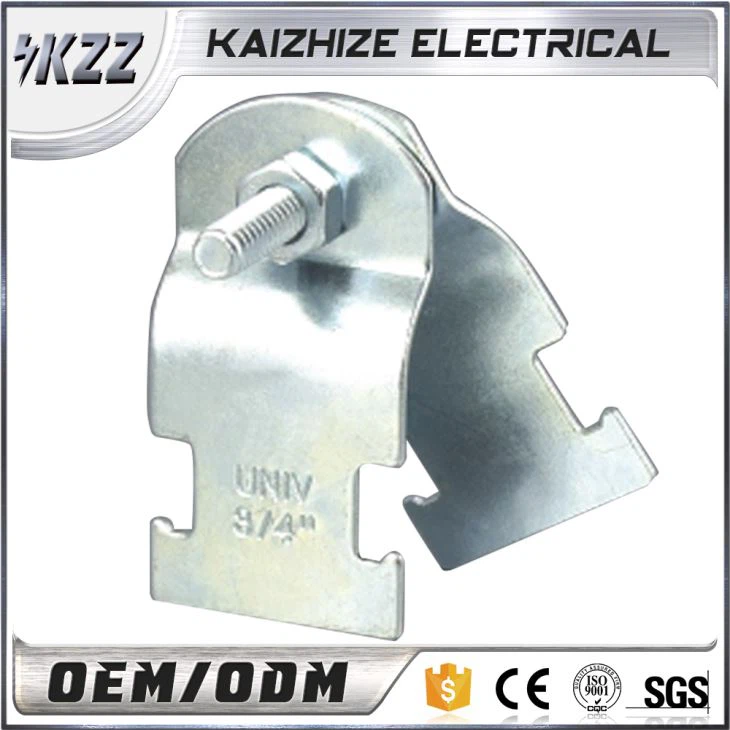
The smoothness of the inner surface of EMT pipes is also important when it comes to compatibility with accessories. For example, EMT Strut Clamp and EMT Set Screw Coupling Steel need to fit properly with the EMT pipe. A smooth inner surface ensures a better fit and a more secure connection between the pipe and its accessories. This is crucial for maintaining the structural integrity of the electrical system and preventing any potential electrical hazards.
Our Commitment as an EMT Pipe Supplier
As an EMT pipe supplier, we are committed to providing high - quality pipes with a smooth inner surface. We use advanced manufacturing techniques and strict quality control measures to ensure that our pipes meet or exceed industry standards. Our pipes are made from high - grade steel, and we carefully monitor the manufacturing process to achieve the desired level of smoothness.
We also understand the importance of compatibility with accessories. That's why we ensure that our EMT pipes are designed to work seamlessly with a wide range of accessories, including strut clamps and set - screw couplings.
Conclusion
The smoothness of the inner surface of EMT pipes is a crucial factor that affects the installation, performance, and longevity of electrical systems. A smooth inner surface facilitates easy wire pulling, prevents wire damage, and enhances corrosion resistance. By understanding the importance of smoothness and the factors that affect it, you can make informed decisions when choosing EMT pipes for your electrical projects.

If you are in the market for high - quality EMT pipes with a smooth inner surface, we invite you to contact us for procurement and further discussions. We are here to provide you with the best products and services to meet your electrical installation needs.
References
- Industry standards for Electrical Metallic Tubing
- Technical literature on metal manufacturing processes
- Research papers on surface roughness measurement techniques