

Hey there! As a strut clamp supplier, I often get asked about the torque specification for a strut clamp. It's a crucial question because getting the torque right is essential for the proper functioning and safety of the strut clamp in various applications.
Let's start by understanding what torque is. Torque is basically a measure of the force that can cause an object to rotate around an axis. In the context of a strut clamp, it's the amount of force you apply when tightening the bolts or screws of the clamp. If you apply too little torque, the clamp might not hold the strut firmly, leading to instability and potential failure. On the other hand, if you apply too much torque, you could damage the clamp, the strut, or both.
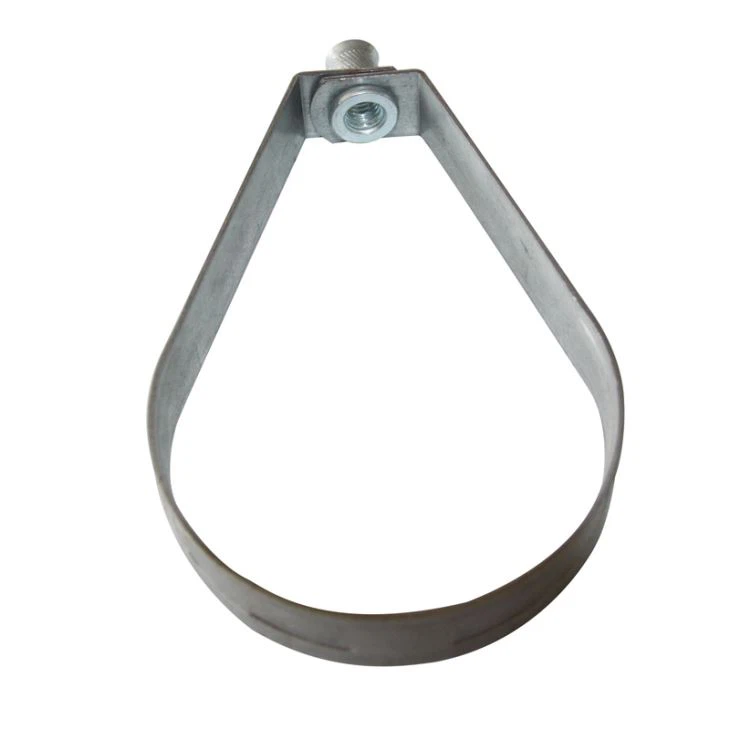

So, what's the right torque specification for a strut clamp? Well, it depends on several factors. First off, the size and type of the strut clamp matter a lot. Different clamps are designed to handle different loads and are made from various materials, which means they'll have different torque requirements. For example, a small, lightweight strut clamp used in a low - load application like supporting a small electrical conduit will have a much lower torque specification compared to a heavy - duty strut clamp used to support large pipes or structural components.
The material of the strut and the clamp also plays a role. If you're using a steel strut and a steel clamp, the torque values will be different from those when using an aluminum strut and an aluminum clamp. Steel is generally stronger and can withstand higher torques, while aluminum is lighter but may be more prone to damage if over - tightened.
Another factor is the application environment. In a high - vibration environment, you might need to apply a bit more torque to ensure the clamp stays in place. But you also have to be careful not to overdo it, as excessive torque can cause the clamp to crack or the strut to deform over time.
To determine the exact torque specification for a specific strut clamp, it's best to refer to the manufacturer's guidelines. Most reputable strut clamp manufacturers provide detailed torque charts that take into account all these factors. These charts usually list the recommended torque values based on the size of the clamp, the type of strut, and the application.
Now, let me give you a general idea of how torque specifications are determined. Manufacturers conduct a series of tests in their labs. They use specialized equipment to measure the amount of torque needed to achieve a secure connection without causing damage. They test different combinations of strut and clamp materials, and they simulate various real - world conditions to come up with accurate torque values.
For instance, let's say you're using a standard 1 - 5/8 inch wide strut clamp made of galvanized steel. The manufacturer might recommend a torque value of around 20 - 30 foot - pounds for a typical installation. But if you're using this clamp in a high - vibration area, they might suggest increasing the torque to 35 - 40 foot - pounds.
It's also important to use the right tools when tightening the strut clamp. A torque wrench is the best tool for the job. A torque wrench allows you to apply the exact amount of torque specified by the manufacturer. Using a regular wrench can lead to inconsistent torque application, which can be a problem.
When it comes to our strut clamps, we take great pride in providing high - quality products. We offer a wide range of strut clamps to meet different customer needs. Whether you're looking for a Sprinkler Clamp/Loop Hanger for your sprinkler system, a J Type Pipe Hanger for your piping installation, or a Heavy Duty Clevis Hanger for heavy - load applications, we've got you covered.
Our strut clamps are designed and manufactured to the highest standards. We provide detailed torque specifications with each product, so you can be sure you're installing them correctly. And if you have any questions about torque or any other aspect of our strut clamps, our customer service team is always here to help.
If you're in the market for strut clamps, we encourage you to reach out to us for a quote. We can work with you to find the right strut clamps for your specific application and provide all the technical support you need. Whether you're a contractor, an engineer, or a DIY enthusiast, we're here to make your project a success.
In conclusion, getting the torque specification right for a strut clamp is crucial for the safety and reliability of your installation. By following the manufacturer's guidelines and using the right tools, you can ensure that your strut clamps perform as expected. And if you choose our strut clamps, you can be confident that you're getting a high - quality product with accurate torque specifications. So, don't hesitate to contact us for all your strut clamp needs.
References
- Manufacturer's technical documentation for strut clamps
- Industry standards for strut and clamp installations