

Yo, what's up everyone! I'm a supplier of IMC Pipe, and today I wanna chat about the materials used to make IMC Pipe. It's gonna be a cool ride through the world of pipes, so let's jump right in!
First off, let's understand what IMC Pipe is. Intermediate Metal Conduit (IMC) is a type of steel raceway that's commonly used in electrical installations. It provides a protective pathway for electrical wires, keeping them safe from damage and environmental factors.
The main material used to make IMC Pipe is steel. Steel is an excellent choice for several reasons. It's strong and durable, which means it can withstand a lot of wear and tear. Whether it's being installed in a commercial building, an industrial facility, or even a residential area, IMC Pipe made from steel can handle the job.
The steel used for IMC Pipe is usually hot - dipped galvanized. Galvanizing is a process where a protective layer of zinc is applied to the steel. This zinc coating serves as a shield against corrosion. You know, rust can be a real pain in the butt for pipes. It can weaken the structure over time and lead to all sorts of problems. But with the zinc coating, the IMC Pipe can resist rust and last for a long time, even in harsh environments.
Now, let's talk about the specific types of steel used. Most of the time, low - carbon steel is the go - to. Low - carbon steel is relatively easy to work with. It can be bent, cut, and threaded without too much hassle. This makes it ideal for manufacturing IMC Pipe, as it allows for various installation requirements. The low carbon content also gives the steel good ductility, which means it can be shaped without cracking.
When it comes to the manufacturing process, the steel is first formed into a tubular shape. This can be done through a process called electric resistance welding (ERW). In ERW, the edges of the steel strip are heated and fused together to create a seamless - looking pipe. This method ensures a strong and uniform joint, which is crucial for the integrity of the IMC Pipe.
After the pipe is formed, it goes through the galvanizing process. The pipe is dipped into a bath of molten zinc. The zinc adheres to the surface of the steel, creating a thick and even coating. This coating not only protects against corrosion but also gives the IMC Pipe a nice, shiny appearance.
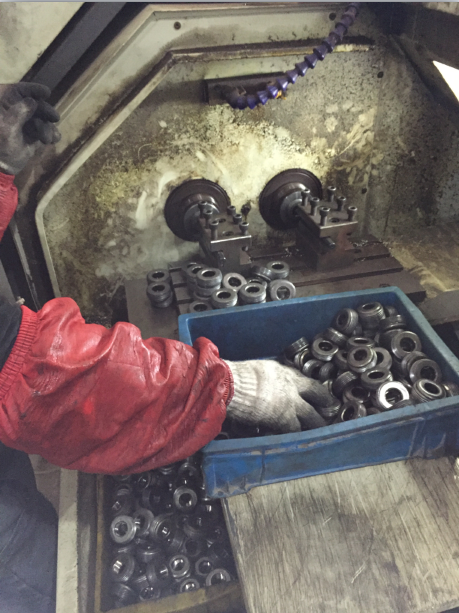
But IMC Pipe isn't just about the pipe itself. There are also a bunch of fittings that are used in conjunction with it. For example, the IMC Coupling is used to connect two sections of IMC Pipe together. It's usually made from the same galvanized steel as the pipe, ensuring compatibility and a secure connection.
Another important fitting is the Reducing Bushing. This is used when you need to connect pipes of different sizes. It's also made from galvanized steel, providing the same level of protection and durability as the pipe.
And let's not forget about the Grounding Locknut. This fitting is used to ensure proper grounding of the IMC Pipe system. It's designed to make a good electrical connection, which is essential for safety in electrical installations. Like the other fittings, it's made from galvanized steel for corrosion resistance.
Now, you might be wondering about the quality control of these materials. Well, as a supplier, we take quality very seriously. We source our steel from reputable mills that follow strict quality standards. Before the pipes and fittings are shipped out, they go through a series of tests. These tests include checking the thickness of the zinc coating, the strength of the pipe, and the integrity of the fittings. We want to make sure that every piece of IMC Pipe and fitting that leaves our facility meets or exceeds industry standards.
In addition to the standard galvanized IMC Pipe, there are also some specialty versions available. For example, there are IMC Pipes with a powder - coated finish. The powder coating provides an extra layer of protection and can come in different colors. This can be useful for aesthetic reasons or for applications where additional chemical resistance is required.
The powder - coating process involves applying a dry powder to the pipe and then baking it in an oven. The powder melts and forms a smooth, hard finish. This finish can be more resistant to scratches and abrasions compared to the standard galvanized coating.
Another specialty option is stainless - steel IMC Pipe. Stainless steel is even more resistant to corrosion than galvanized steel. It's a great choice for applications where the pipe will be exposed to highly corrosive substances or in areas with a lot of moisture, like near the ocean or in chemical plants.
However, stainless - steel IMC Pipe is usually more expensive than the galvanized version. So, it's important to consider the specific requirements of your project before deciding which type of IMC Pipe to use.
If you're in the market for IMC Pipe or its fittings, I'd love to have a chat with you. Whether you're a contractor working on a big - time construction project or a DIY enthusiast doing some electrical work at home, I can help you find the right products for your needs. We offer a wide range of sizes and types of IMC Pipe and fittings, and we can provide you with competitive prices.

So, if you're interested in learning more or getting a quote, don't hesitate to reach out. We're here to make your pipe - buying experience as easy and stress - free as possible.
References:
- Electrical Installation Handbook, various editions
- Steel Manufacturing and Fabrication Guides