

As a hook plate supplier, I've witnessed firsthand the growing importance of recycling in today's environmentally conscious world. Recycling not only helps preserve our planet's natural resources but also reduces waste and minimizes the environmental impact of manufacturing processes. In this blog post, I'll share some insights on how to recycle a hook plate effectively.
Understanding the Hook Plate
Before delving into the recycling process, it's essential to understand what a hook plate is and what materials it's made of. Hook plates are typically used in various industries for hanging or securing objects. They are commonly made from metals such as steel, iron, or aluminum, which are highly recyclable materials.
Benefits of Recycling Hook Plates
Recycling hook plates offers several benefits, both for the environment and the economy. Here are some of the key advantages:

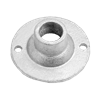
- Conservation of Natural Resources: Recycling metals reduces the need for mining and extracting virgin materials, which helps conserve natural resources and minimize the environmental impact of mining operations.
- Energy Savings: Recycling metals requires significantly less energy compared to producing new metals from raw materials. This energy savings translates into reduced greenhouse gas emissions and a smaller carbon footprint.
- Waste Reduction: By recycling hook plates, we can divert metal waste from landfills, reducing the amount of waste that ends up in our environment and helping to extend the lifespan of landfills.
- Economic Benefits: Recycling metals creates jobs in the recycling and manufacturing industries and provides a valuable source of raw materials for the production of new products.
Recycling Process for Hook Plates
The recycling process for hook plates typically involves the following steps:
- Collection: The first step in the recycling process is to collect the hook plates. This can be done through various methods, such as direct collection from customers, partnerships with recycling facilities, or participation in recycling programs.
- Sorting: Once the hook plates are collected, they need to be sorted by material type. This is important because different metals have different recycling processes and requirements. For example, steel and iron are typically recycled together, while aluminum is recycled separately.
- Cleaning: After sorting, the hook plates may need to be cleaned to remove any dirt, grease, or other contaminants. This can be done using various cleaning methods, such as washing, degreasing, or sandblasting.
- Shredding: Once the hook plates are clean, they are typically shredded into small pieces. This increases the surface area of the metal, making it easier to melt and recycle.
- Melting: The shredded hook plates are then melted in a furnace at high temperatures. The melting process removes any impurities and separates the metal from other materials.
- Purification: After melting, the metal may need to be purified to remove any remaining impurities. This can be done using various purification methods, such as electrolysis or chemical treatment.
- Reforming: Once the metal is purified, it can be reformed into new products. This can be done through various manufacturing processes, such as casting, forging, or rolling.
Tips for Recycling Hook Plates
Here are some tips to help you recycle hook plates effectively:
- Separate by Material: As mentioned earlier, it's important to separate the hook plates by material type before recycling. This will ensure that the metals are recycled efficiently and effectively.
- Remove Non-Metal Components: Before recycling the hook plates, make sure to remove any non-metal components, such as plastic or rubber parts. These non-metal components can contaminate the metal and make it more difficult to recycle.
- Choose a Reputable Recycling Facility: When recycling hook plates, it's important to choose a reputable recycling facility that has the necessary equipment and expertise to recycle metals safely and efficiently.
- Follow Local Recycling Guidelines: Make sure to follow the local recycling guidelines and regulations in your area. This will ensure that you are recycling the hook plates in a legal and environmentally responsible manner.
Other Related Products and Their Recycling
In addition to hook plates, there are several other related products that can be recycled. For example, Channel Inspection Tee, Male And Female Adaptor, and Female Dome Cover, Malleable Iron are all commonly used in the same industries as hook plates and are also made from recyclable materials. The recycling process for these products is similar to that of hook plates and involves collection, sorting, cleaning, shredding, melting, purification, and reforming.
Contact for Procurement and Recycling
If you are interested in purchasing hook plates or other related products from our company, or if you have any questions about recycling hook plates, please feel free to contact us. We are committed to providing high-quality products and services and to promoting sustainable practices in the industry. Whether you are a large corporation or a small business, we can work with you to meet your needs and help you achieve your environmental goals.
References
- "Recycling Metals: A Guide to the Process and Benefits." Environmental Protection Agency.
- "The Importance of Recycling Metals." Institute of Scrap Recycling Industries.
- "Recycling 101: How Metals Are Recycled." Recycling Today.