

Spring nuts are essential components in various industries, providing a reliable and efficient way to secure objects in place. As a dedicated spring nuts supplier, I often receive inquiries about the chemical composition of these versatile fasteners. Understanding the chemical makeup of spring nuts is crucial for assessing their performance, durability, and suitability for specific applications. In this blog post, I will delve into the chemical composition of spring nuts, exploring the materials commonly used and their impact on the nuts' properties.
Common Materials Used in Spring Nuts
Spring nuts are typically made from a variety of metals, each with its own unique chemical composition and properties. The most common materials used in spring nuts include carbon steel, stainless steel, and brass.
Carbon Steel
Carbon steel is a widely used material in the manufacturing of spring nuts due to its high strength, durability, and affordability. Carbon steel is primarily composed of iron and carbon, with small amounts of other elements such as manganese, silicon, sulfur, and phosphorus. The carbon content in carbon steel can range from 0.05% to 2.0%, with higher carbon content generally resulting in increased strength and hardness.
One of the key advantages of carbon steel spring nuts is their excellent mechanical properties. They offer high tensile strength, which allows them to withstand significant loads without deforming or breaking. Carbon steel spring nuts also have good ductility, meaning they can be bent and shaped without cracking. This makes them suitable for applications where flexibility and resilience are required.
However, carbon steel is prone to corrosion, especially in environments with high humidity or exposure to chemicals. To protect carbon steel spring nuts from corrosion, they are often coated with a layer of zinc or other protective materials. Zinc coating provides a sacrificial layer that corrodes in place of the steel, extending the lifespan of the spring nuts.
Stainless Steel
Stainless steel is another popular material for spring nuts, particularly in applications where corrosion resistance is a primary concern. Stainless steel is an alloy of iron, chromium, and other elements, with a minimum chromium content of 10.5%. The chromium in stainless steel forms a thin, protective oxide layer on the surface of the metal, which prevents corrosion and rusting.
In addition to chromium, stainless steel may also contain other elements such as nickel, molybdenum, and titanium, which enhance its corrosion resistance, strength, and other properties. For example, nickel improves the ductility and toughness of stainless steel, while molybdenum increases its resistance to pitting and crevice corrosion.
Stainless steel spring nuts offer several advantages over carbon steel spring nuts. They are highly resistant to corrosion, making them suitable for use in harsh environments such as marine, chemical, and food processing industries. Stainless steel spring nuts also have a sleek and attractive appearance, which makes them ideal for applications where aesthetics are important.
However, stainless steel is more expensive than carbon steel, and it may not be as strong as carbon steel in some cases. The choice between carbon steel and stainless steel spring nuts depends on the specific requirements of the application, including the level of corrosion resistance, strength, and cost.
Brass
Brass is a copper-zinc alloy that is commonly used in the manufacturing of spring nuts. Brass is known for its excellent corrosion resistance, electrical conductivity, and aesthetic appeal. It has a yellowish-gold color that gives it a distinctive and attractive appearance.
The chemical composition of brass can vary depending on the specific alloy used. The most common type of brass used in spring nuts is yellow brass, which typically contains 60-70% copper and 30-40% zinc. Other elements such as lead, tin, and iron may also be present in small amounts to improve the machinability and other properties of the brass.
Brass spring nuts offer several advantages over other materials. They are highly resistant to corrosion, especially in environments with low humidity and exposure to chemicals. Brass also has good electrical conductivity, making it suitable for applications where electrical grounding or conductivity is required. In addition, brass spring nuts are easy to machine and form, which allows for the production of complex shapes and designs.
However, brass is relatively soft compared to carbon steel and stainless steel, which means it may not be suitable for applications where high strength and durability are required. Brass spring nuts are also more expensive than carbon steel spring nuts, although they are generally less expensive than stainless steel spring nuts.
Impact of Chemical Composition on Spring Nut Properties
The chemical composition of spring nuts has a significant impact on their properties and performance. Different materials offer different levels of strength, hardness, corrosion resistance, and other characteristics, which make them suitable for specific applications.
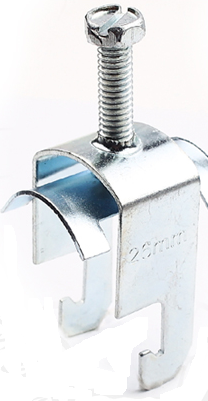

Strength and Hardness
The strength and hardness of spring nuts are primarily determined by the type of material used and its chemical composition. Carbon steel spring nuts, with their high carbon content, generally offer the highest strength and hardness. They are capable of withstanding heavy loads and are suitable for applications where high mechanical performance is required.
Stainless steel spring nuts also offer good strength and hardness, although they may not be as strong as carbon steel spring nuts in some cases. The addition of alloying elements such as nickel and molybdenum can enhance the strength and hardness of stainless steel spring nuts, making them suitable for more demanding applications.
Brass spring nuts are relatively soft compared to carbon steel and stainless steel spring nuts. They have lower strength and hardness, which limits their use in applications where high loads or stresses are involved. However, brass spring nuts are still suitable for many applications where moderate strength and flexibility are required.
Corrosion Resistance
Corrosion resistance is a critical property for spring nuts, especially in environments where they are exposed to moisture, chemicals, or other corrosive substances. Stainless steel spring nuts offer the highest level of corrosion resistance, thanks to the presence of chromium and other alloying elements. They are suitable for use in harsh environments such as marine, chemical, and food processing industries.
Carbon steel spring nuts are prone to corrosion, but they can be protected by coating them with a layer of zinc or other protective materials. Zinc coating provides a sacrificial layer that corrodes in place of the steel, extending the lifespan of the spring nuts. However, zinc coating may not be sufficient in highly corrosive environments, and additional protection may be required.
Brass spring nuts also have good corrosion resistance, especially in environments with low humidity and exposure to chemicals. The copper in brass forms a protective oxide layer on the surface of the metal, which prevents corrosion and rusting. However, brass may be susceptible to dezincification in certain environments, which can cause the metal to lose its strength and integrity.
Ductility and Flexibility
Ductility and flexibility are important properties for spring nuts, as they allow them to be bent and shaped without cracking. Carbon steel spring nuts have good ductility, which makes them suitable for applications where flexibility and resilience are required. They can be easily bent and formed into various shapes, making them ideal for use in custom applications.
Stainless steel spring nuts also have good ductility, although they may be slightly less flexible than carbon steel spring nuts. The addition of alloying elements such as nickel and molybdenum can enhance the ductility and flexibility of stainless steel spring nuts, making them more suitable for applications where bending and shaping are required.
Brass spring nuts are known for their excellent ductility and flexibility. They can be easily bent and formed into complex shapes without cracking, which makes them suitable for applications where intricate designs or custom shapes are needed.
Choosing the Right Spring Nuts for Your Application
When choosing spring nuts for your application, it is important to consider the specific requirements of the project, including the level of strength, hardness, corrosion resistance, and other properties. Here are some factors to consider when selecting spring nuts:
Application Environment
The environment in which the spring nuts will be used is a critical factor in determining the appropriate material. If the application involves exposure to moisture, chemicals, or other corrosive substances, stainless steel spring nuts may be the best choice. They offer the highest level of corrosion resistance and are suitable for use in harsh environments.
If the application does not require high corrosion resistance, carbon steel spring nuts may be a more cost-effective option. They offer good strength and hardness and can be protected from corrosion by coating them with a layer of zinc or other protective materials.
Brass spring nuts are suitable for applications where moderate corrosion resistance and good electrical conductivity are required. They are often used in electrical and electronic applications, as well as in decorative applications where aesthetics are important.
Load and Stress Requirements
The load and stress requirements of the application will also determine the appropriate material for the spring nuts. If the application involves heavy loads or high stresses, carbon steel spring nuts may be the best choice. They offer the highest strength and hardness and are capable of withstanding significant loads without deforming or breaking.
If the application involves moderate loads or stresses, stainless steel or brass spring nuts may be sufficient. They offer good strength and flexibility and are suitable for a wide range of applications.
Cost
Cost is always a consideration when choosing spring nuts. Carbon steel spring nuts are generally the most affordable option, followed by brass spring nuts. Stainless steel spring nuts are the most expensive, but they offer the highest level of corrosion resistance and other properties.
When choosing spring nuts, it is important to balance the cost with the specific requirements of the application. In some cases, it may be worth investing in more expensive spring nuts to ensure the long-term performance and reliability of the project.
Conclusion
In conclusion, the chemical composition of spring nuts plays a crucial role in determining their properties and performance. Different materials, such as carbon steel, stainless steel, and brass, offer different levels of strength, hardness, corrosion resistance, and other characteristics, which make them suitable for specific applications.
As a spring nuts supplier, I understand the importance of choosing the right material for your application. Whether you need high-strength carbon steel spring nuts for heavy-duty applications or corrosion-resistant stainless steel spring nuts for harsh environments, I can provide you with the right solution.
If you are interested in purchasing spring nuts or have any questions about their chemical composition or suitability for your application, please [contact me for procurement and negotiation]. I am happy to assist you in finding the perfect spring nuts for your needs.
References
- ASM Handbook, Volume 1: Properties and Selection: Irons, Steels, and High-Performance Alloys
- Metals Handbook: Properties and Selection - Nonferrous Alloys and Pure Metals
- Corrosion Resistance of Metals and Alloys, Second Edition